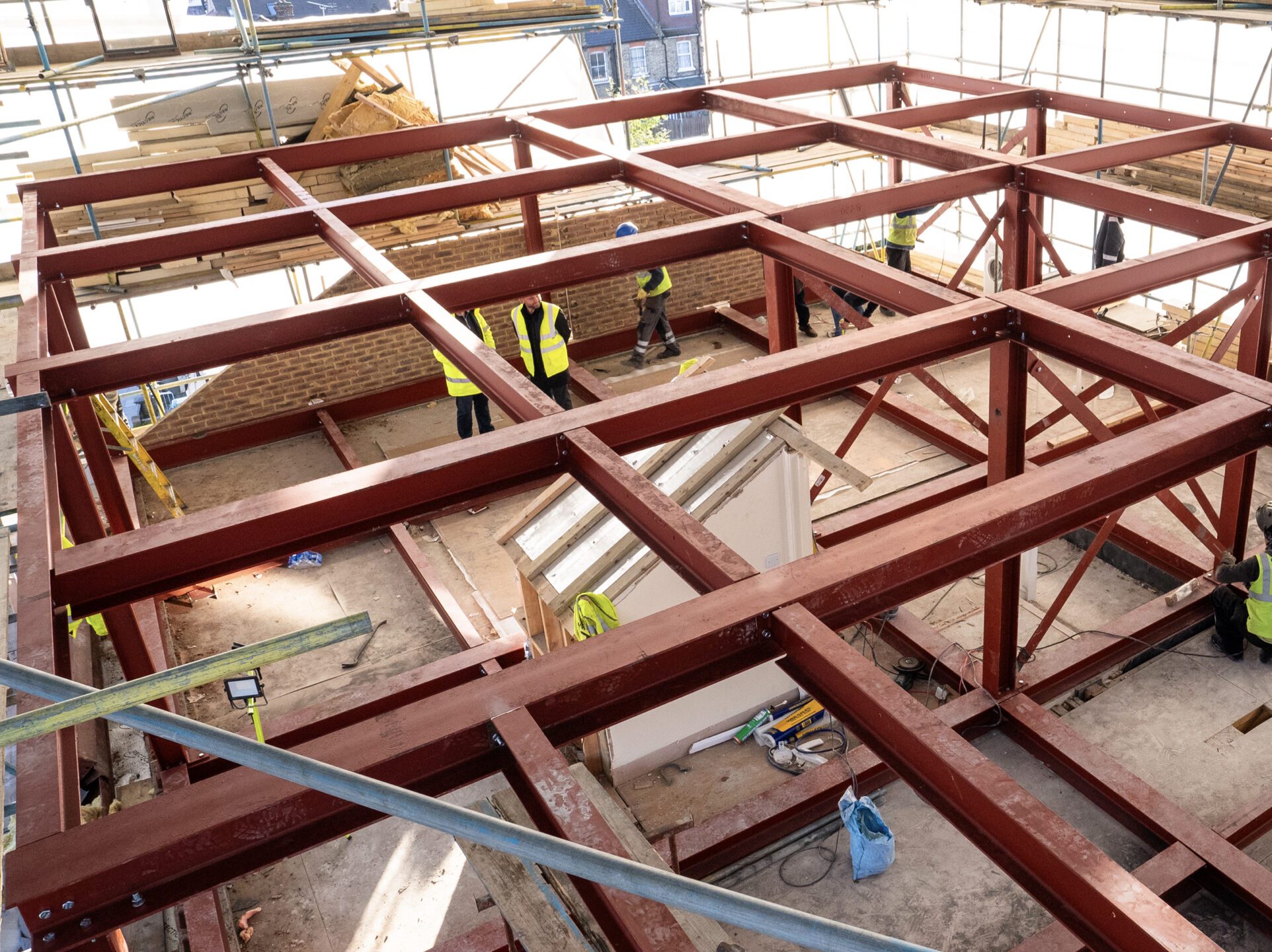
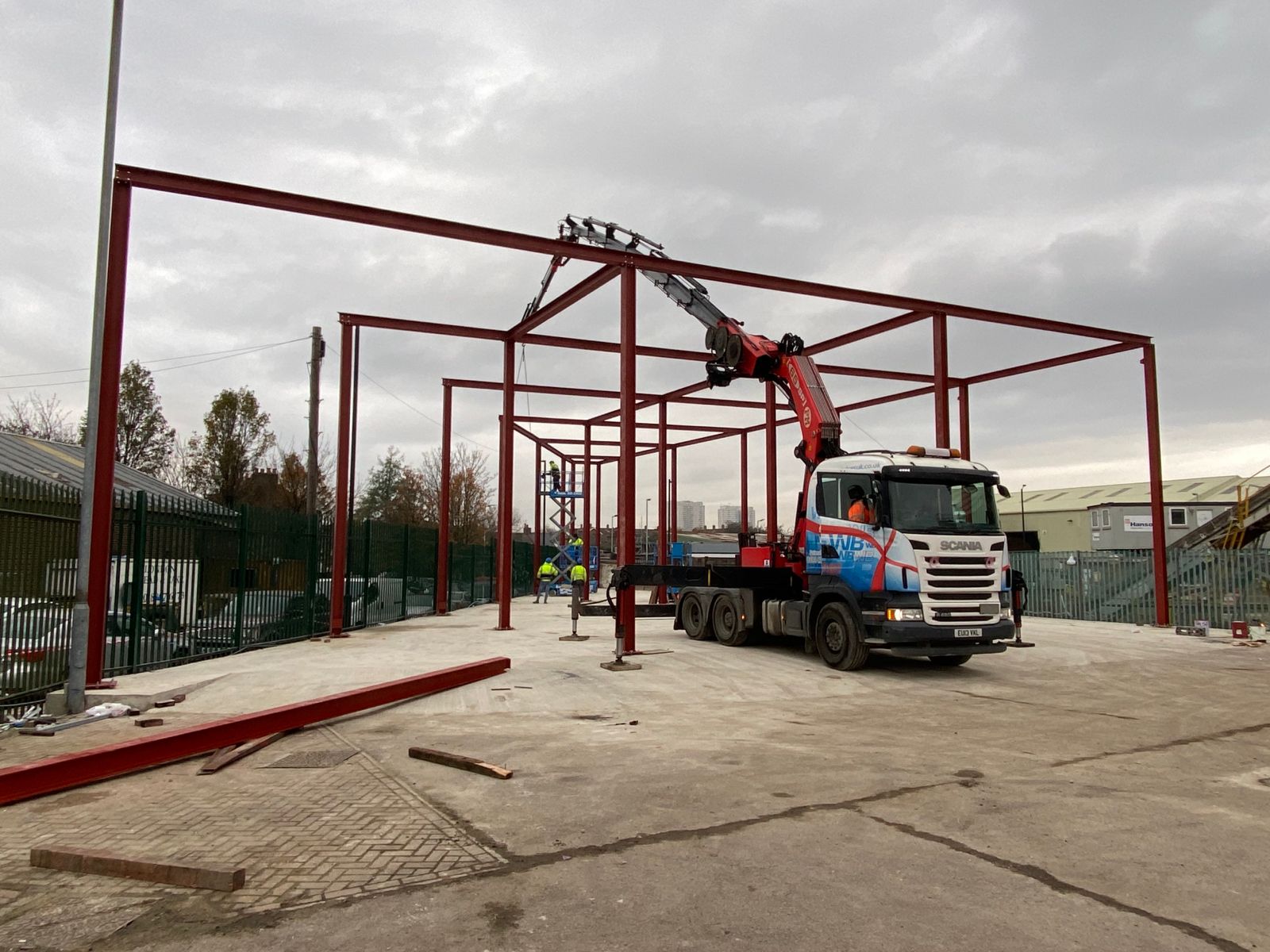
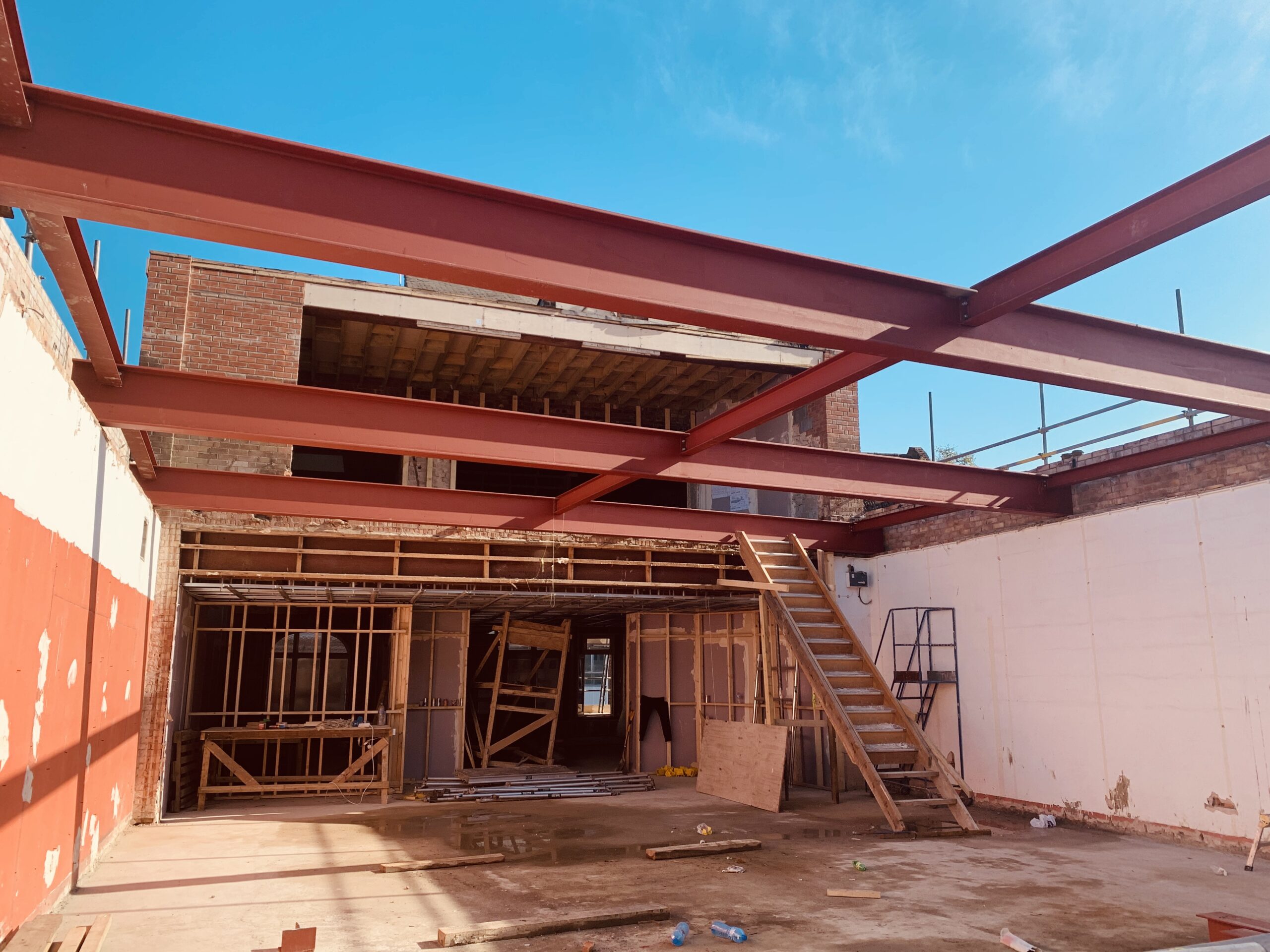
You’ve probably seen them before- those strong steel beams forming the skeleton of new buildings across the UK. Those are RSJ beams-and without them, modern construction would quite literally collapse.
Short for Rolled Steel Joists, RSJ beams are key in supporting the weight of floors, roofs, and entire structures. Their strength lies not just in the steel, but in their smart design-shaped like an ‘I’ or ‘H’ to carry weight efficiently while staying relatively light.
In cities like London and beyond, where clever building is essential, RSJs are doing the heavy lifting-quietly, reliably, and brilliantly.
What Are RSJ Beams?
RSJ beams are structural steel supports used in both residential and commercial builds. Their iconic shape spreads loads over wide spans, reducing the need for extra walls or columns. This opens up space-allowing architects and engineers to be more creative without risking safety.
That strength-to-weight ratio is no accident. It’s what makes RSJs ideal for extensions, loft conversions, and large-scale industrial builds alike.
Get a FREE, no-obligation quote today.
DIfferent Types of RSJ Beams
There are several types of RSJ (Rolled Steel Joist) beams, each designed for a specific structural role. Choosing the right one isn’t just about strength—it’s about using the right shape and weight for the job to ensure safety, stability, and efficiency.
- Universal Beams (UBs): Tall and narrow with wide flanges, UBs are ideal for spanning horizontal spaces like floors and ceilings. Their shape gives them excellent load-bearing capacity across long distances.
- Universal Columns (UCs): Shorter and more square in proportion, UCs are built to carry vertical loads. You’ll typically see them used as upright supports in steel frames, thanks to their strong resistance to buckling.
- Parallel Flange Channels (PFCs): These C-shaped beams are lighter and more versatile. They’re often used around window or door openings, or in places where weight needs to be reduced without compromising too much on strength.
Each RSJ type plays a unique part in structural engineering. Using the wrong one can compromise load distribution or lead to unnecessary material costs. Getting it right from the start ensures both performance and peace of mind.
What to Know About RSJ Dimensions
Every project has its own needs, which is where RSJ dimensions come in. These describe height, flange width, and weight per metre. A beam labelled 254 x 102 x 25 UB, for example, stands 254mm tall, 102mm wide, and weighs 25kg per metre.
This information isn’t just technical fluff. It affects everything-how much weight the beam holds, how it fits in a space, even how it’s transported to site. Choosing wrong could lead to budget overruns or unsafe builds.
Get a FREE, no-obligation quote today.
Why RSJ Beams Still Lead the Way
What makes RSJ beams so enduring is their reliability. Steel doesn’t bend to time or weather. It remains stable, making it ideal for permanent structures. Unlike timber, it won’t warp or rot. Unlike concrete, it doesn’t crack under tension.
RSJ beams also arrive pre-fabricated-cut, drilled, and ready to slot into place. That saves time, cost, and chaos on site.
Why Choose CML Steel?
At CML, we don’t just supply RSJ beams-we deliver confidence. From explaining RSJ types to helping you navigate RSJ dimensions, our team offers expert guidance at every step. Contact us today and let your next project rest on something solid.